

Trial outcome might have been different if key facts were disclosed.

Suppression of Vital Information Leads to Personal Liability
read more
Trial outcome might have been different if key facts were disclosed.

Restricting evidence in this case would be “the judicial equivalent of editing a Quentin Tarantino movie to air on the Disney Channel.”

Everything you wear and carry on duty—even under your uniform—must project neutrality, integrity and professionalism.

The court holds that information obtained in subpoenas would be stretching Carpenter too far in this case.
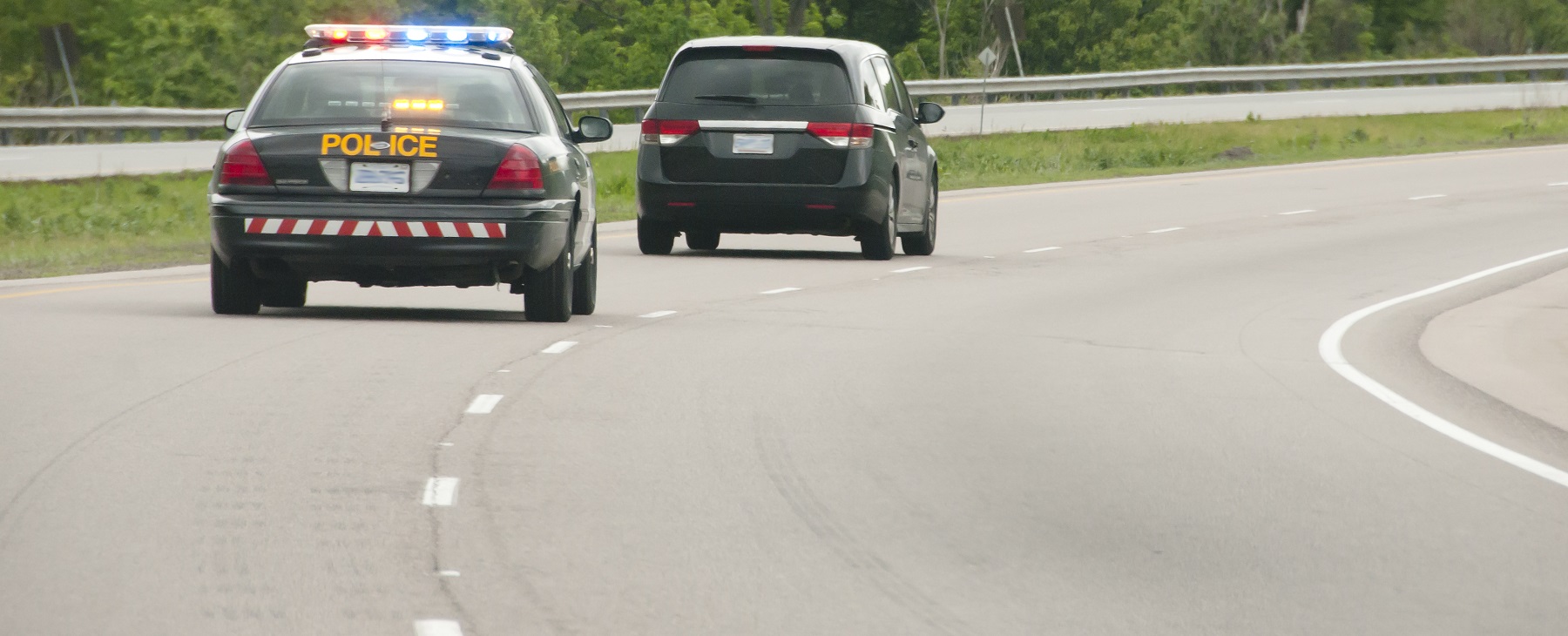
Immunity granted under Vehicle Code 17004.7 does not require 100% policy sign-off

Identifying potential active shooters will never be easy, but a recent FBI study casts light on pre-attack behaviors that can serve as warning signs.

Law enforcement can get messy (literally and figuratively). But if you get sued, like in this case, the court has your back.

To act as a police agent, three key elements of Skinner v. Railway Labor Executive’s Association must be considered.
When suspects invoke the right to remain silent, they can be interrogated later. But when suspects invoke the right to counsel, interrogation must immediately stop.

Understanding reaction time and perception-reaction time is critical when evaluating why police officers often fire multiple rounds.
Evidence found subsequent to questions without a Miranda warning is still admissible—at least in this case.

Lexipol policy already addressed the Court’s concerns about alternatives to towing, allowing drivers to retrieve items, and opening closed items for inventory.